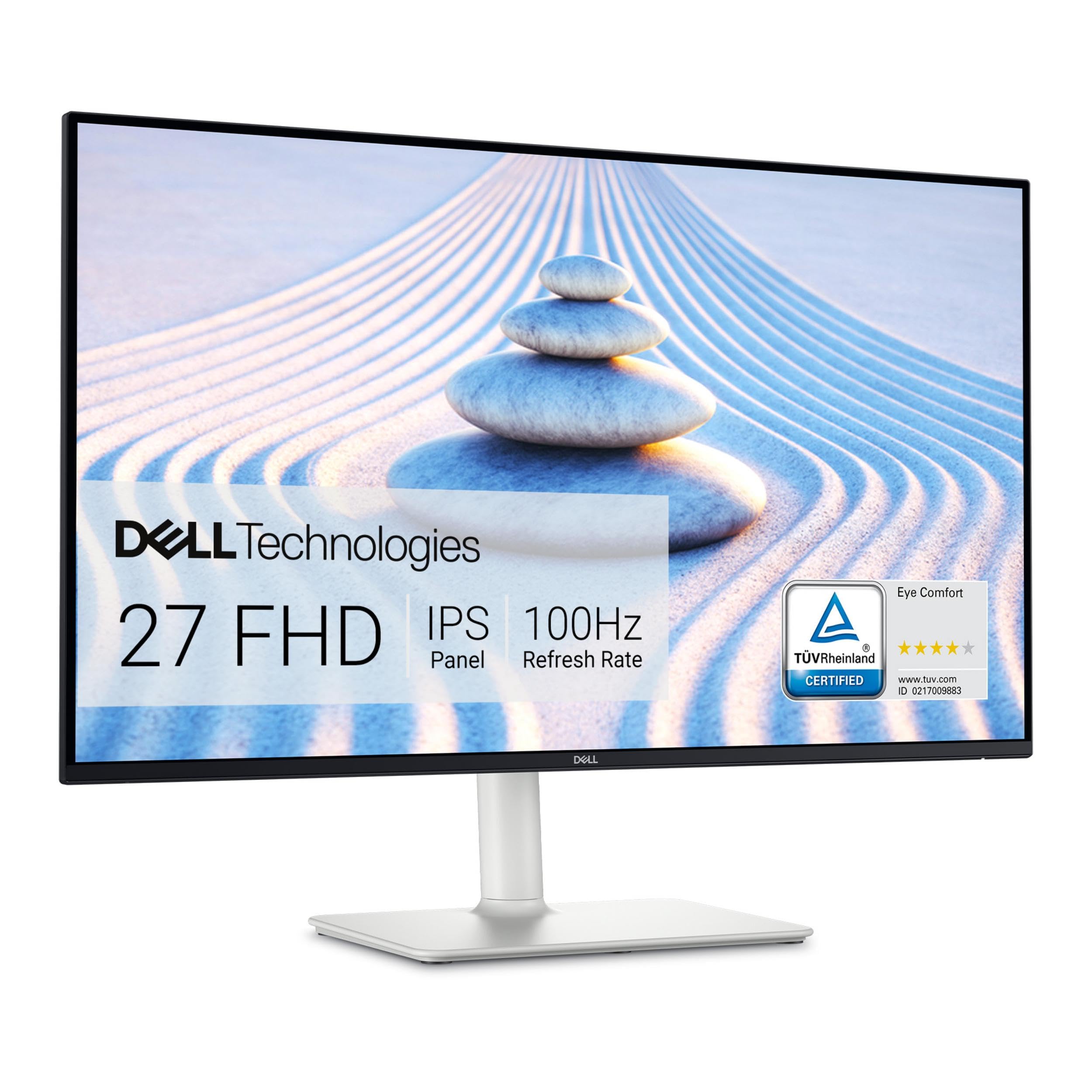
The Dell S2725HS offers a solid blend of features like 1080p resolution at 100Hz refresh rate with ergonomic adjustments; however, it's crucial to weigh its strengths against your specific needs.
Navigating Monitor Choices Can Be Challenging
Choosing the right computer monitor can be daunting. With myriad options available in terms of size, price range, and features like resolution or response time, buyers often struggle to find a model that suits their requirements perfectly without breaking the bank.
Common Buyer Mistakes
One common mistake is focusing solely on flashy specs rather than understanding how these translate into real-world performance for tasks such as gaming, graphic design work, or general office use. Another pitfall involves overlooking ergonomic aspects like height adjustment and swivel capability which can significantly impact long-term comfort during extended sessions.
Real-World Use Expectations
The Dell S2725HS is designed with versatility in mind. It offers Full HD resolution (1920x1080) on a 27-inch screen, making it suitable for those who need sharp visuals but aren't necessarily looking to invest in higher resolutions like QHD or UHD.
With its relatively high refresh rate of up to 100Hz and a contrast ratio of 1500:1, the S2725HS provides smooth motion handling ideal for gaming enthusiasts. Additionally, it includes integrated speakers—a handy feature that can save desk space but may not meet audio demands beyond basic requirements.
Fit For This Monitor
This model excels in scenarios where visual clarity and fluid movement are key considerations. Its 1080p resolution ensures crisp text and images while the higher refresh rate minimizes motion blur during fast-paced action sequences, benefiting gamers or anyone involved with dynamic content creation.
However, those seeking ultra-sharp visuals might find that Full HD falls short compared to QHD (2560x1440) offerings. Furthermore, for users who need extensive color accuracy and wide viewing angles often found in professional-grade monitors, the S2725HS may fall slightly behind due to its more consumer-oriented design.
Who Should Avoid This Product?
The Dell S2725HS is less suitable for professionals requiring advanced features like HDR support or precise calibration options essential for photo editing. Similarly, gamers demanding extreme refresh rates above 144Hz might want to explore other models tailored specifically towards high-performance gaming needs.
Comparing With Alternatives
When comparing the Dell S2725HS with similar monitors in its category—such as the Acer Nitro VG240YP or ViewSonic VX2468, it's important to note differences such as refresh rate capabilities and additional functionalities like FreeSync technology. These alternatives might offer superior performance metrics but could also come at a higher cost.
Longevity Considerations
Maintenance for this monitor is straightforward; regular cleaning with soft cloths can help preserve its display quality over time. Additionally, ensuring proper ergonomic adjustments based on personal comfort levels will contribute to prolonged use satisfaction without strain or discomfort.
Frequently Asked Questions
Q: Is the Dell S2725HS good for gaming?
A: Yes, it's well-suited due to its 1080p resolution and up-to-100Hz refresh rate. However, if you're looking into competitive esports titles requiring higher frame rates, other models might be more appropriate.
Q: How does the integrated speaker quality compare?
A: While convenient for space-saving setups or casual use scenarios like watching videos online, they are not designed to match external audio systems in terms of clarity and depth.
Q: Is this monitor suitable for extensive daily office work?
A: Absolutely. The ergonomic design allows comfortable positioning adjustments throughout the day while maintaining a clear visual output ideal for various professional tasks including document editing or video conferencing sessions.
Final Thoughts
The Dell S2725HS Monitor strikes an admirable balance between affordability and functionality, catering well to users seeking reliable performance without overcomplicating their setup. By understanding its strengths in areas like responsiveness and ergonomic design against potential drawbacks concerning resolution fidelity for some applications, you can make a more informed decision about whether it aligns with your specific requirements.
