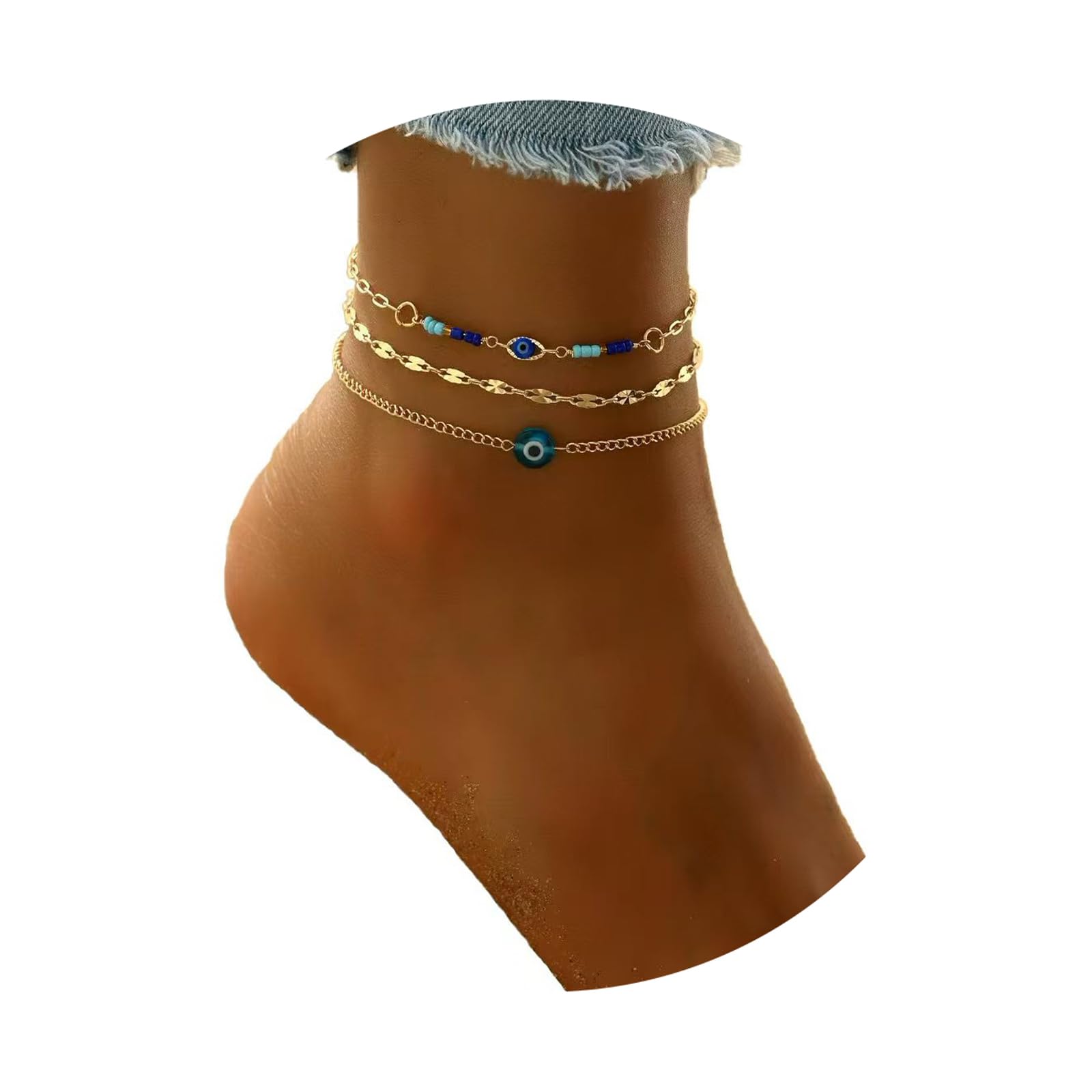
Selecting women’s anklets involves weighing factors like material, design, and occasion suitability; this guide helps navigate choices with insights on common pitfalls.
The Challenge of Selection
Choosing a pair of women’s anklets can be daunting due to the sheer variety available. From delicate gold-plated pieces to bold statement jewelry adorned with rhinestones or charms, each option promises unique appeal and functionality. However, this abundance makes it challenging for buyers to identify which style best suits their needs without falling into common traps.
Common Buyer Mistakes
One frequent error is selecting an anklet based solely on aesthetics rather than considering practical aspects such as comfort during physical activities like swimming or dancing. Another mistake involves overlooking the importance of metal allergies, particularly when opting for cheaper materials that might cause irritation over time.
Real-World Use Experience and Expectations
In real-world scenarios, a well-chosen anklet should complement your outfit while remaining comfortable throughout various activities. For instance, lightweight options made from gold-plated metals tend to be more suitable for daily wear compared to heavier chains with intricate designs that may become cumbersome during active pursuits.
Where This Product Fits (Strengths & Weaknesses)
A set of layered rhinestone anklets like the one described offers a blend of elegance and affordability. Its strengths lie in its versatility, allowing it to transition smoothly from casual outings to more formal settings when paired with appropriate attire. However, this style might not be ideal for those who prefer minimalist jewelry or have sensitive skin prone to irritation from non-precious metals.
Who Should Avoid This Product
Individuals looking for high-end precious metal anklets should consider other options as these sets typically use gold plating rather than solid 14K gold. Additionally, people with severe allergies to nickel and similar alloys might find this product uncomfortable or unsuitable due to potential skin reactions.
Comparison With Alternative Styles or Materials
When compared to alternatives such as sterling silver or stainless steel anklets, the layered rhinestone set offers a more budget-friendly option while still providing an attractive appearance. However, it may lack durability over extended periods and is less resistant to tarnishing than its metal counterparts.
Maintenance and Long-Term Considerations
To ensure longevity, proper care is essential for any jewelry item. For gold-plated anklets specifically, regular cleaning with a soft cloth can help maintain shine and prevent buildup of oils or dirt that could lead to discoloration over time. Storing them separately from other pieces also helps avoid scratches.
Frequently Asked Questions
Q: Are these anklets suitable for swimming?
A: While they are labeled as waterproof, prolonged exposure to water may eventually affect the plating’s integrity and appearance.
Q: Can I wear this set during exercise or sports activities?
A: Lighter designs work well for moderate physical activity but avoid heavy workouts that might cause discomfort due to movement restrictions.
Q: How do I clean my anklets properly?
A: Use a soft cloth dipped in mild soapy water, then dry thoroughly with another clean towel before storing away from direct sunlight and humidity.
Final Neutral Thoughts
Ultimately, the decision hinges on personal preference balanced against practical considerations. While gold-plated layered rhinestone anklets offer an appealing blend of style and affordability for many occasions, they may not cater to everyone’s specific needs or comfort levels. Careful evaluation of your lifestyle requirements alongside aesthetic desires will guide you towards making a more informed choice.