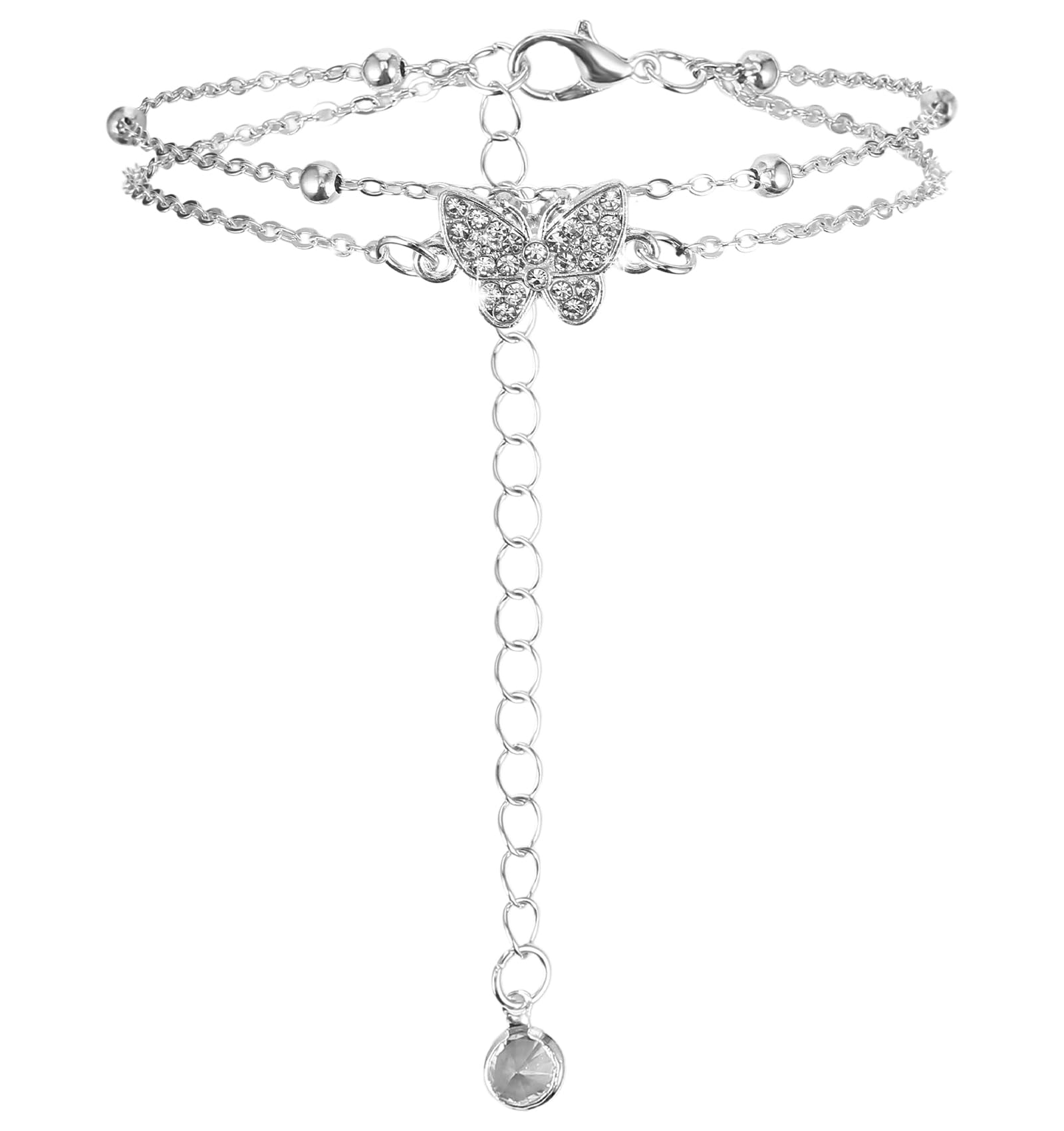
Selecting a women’s anklet involves considering style preferences, material quality, and intended use to ensure satisfaction.
Introduction
Choosing the right women’s anklet can be challenging due to the vast array of styles available. From delicate dainty designs to bold statement pieces, each option comes with its own set of pros and cons that cater to different tastes and needs. This guide aims to provide a neutral perspective on what factors you should consider when selecting an ankle bracelet.
Why Choosing this Type of Product is Difficult
The difficulty in choosing the right anklet lies primarily in balancing personal style preferences, budget constraints, and practical considerations such as durability and comfort. Each type of anklet—whether it’s made from silver, gold-plated metals, or other materials—has unique characteristics that affect its suitability for different occasions.
Common Buyer Mistakes
One common mistake buyers make is focusing too much on the initial appearance rather than considering how well an anklet will hold up over time. Another frequent error is overlooking comfort and fit in favor of trendy designs, which can lead to discomfort or even damage to the jewelry due to constant movement.
Real-World Use Experience and Expectations
In real-world use, a high-quality silver anklet like those featuring butterfly motifs with rhinestones offers elegance but requires careful handling. These pieces are often delicate and may not withstand rough wear as well as more robust materials such as gold-plated metals or stainless steel.
Where This Product Fits (Strengths & Weaknesses)
Silver anklets, particularly those adorned with intricate designs like butterflies filled with rhinestones, excel in adding a touch of elegance to casual outfits. They are ideal for special occasions and everyday wear where subtle beauty is desired. However, their primary weakness lies in durability; these items may tarnish over time if not properly cared for.
Who Should Avoid This Product
Individuals who lead an active lifestyle or have limited budgets might find silver anklets less suitable due to the potential need for frequent maintenance and replacement compared to more durable alternatives like stainless steel bracelets. Additionally, those with sensitive skin should consider hypoallergenic options before opting for such detailed jewelry.
Comparison With Alternative Styles Or Materials
When comparing a delicate silver anklet to other materials or styles within the same category, it’s important to note that gold-plated metals offer better resistance against tarnishing and are generally more durable. Stainless steel ankle bracelets provide an even higher level of durability but may lack in terms of elegance compared to finer metal options.
Maintenance And Long-Term Considerations
Maintaining a silver anklet involves regular cleaning with mild soap and water, followed by thorough drying before storing it away from air exposure which can cause tarnishing. Over time, frequent wear might necessitate occasional professional polishing or replacement if the piece shows signs of significant damage.
Frequently Asked Questions
Q: How do I clean a silver anklet? A: Clean your silver anklet by gently washing with mild soap and water, then pat dry thoroughly.
Q: Can I wear my silver anklet while swimming or showering? A: It’s best to avoid wearing it during activities that expose the jewelry to harsh chemicals like chlorine in pools.
Q: What are some signs of a poorly made ankle bracelet? A: Look for loose connections, uneven plating, and overall poor craftsmanship as indicators of lower quality items.
Final Neutral Thoughts
Selecting an anklet is about finding one that aligns with your personal style while considering practical aspects like durability. Whether you opt for silver or another material, ensuring proper care will help maintain its beauty over time.