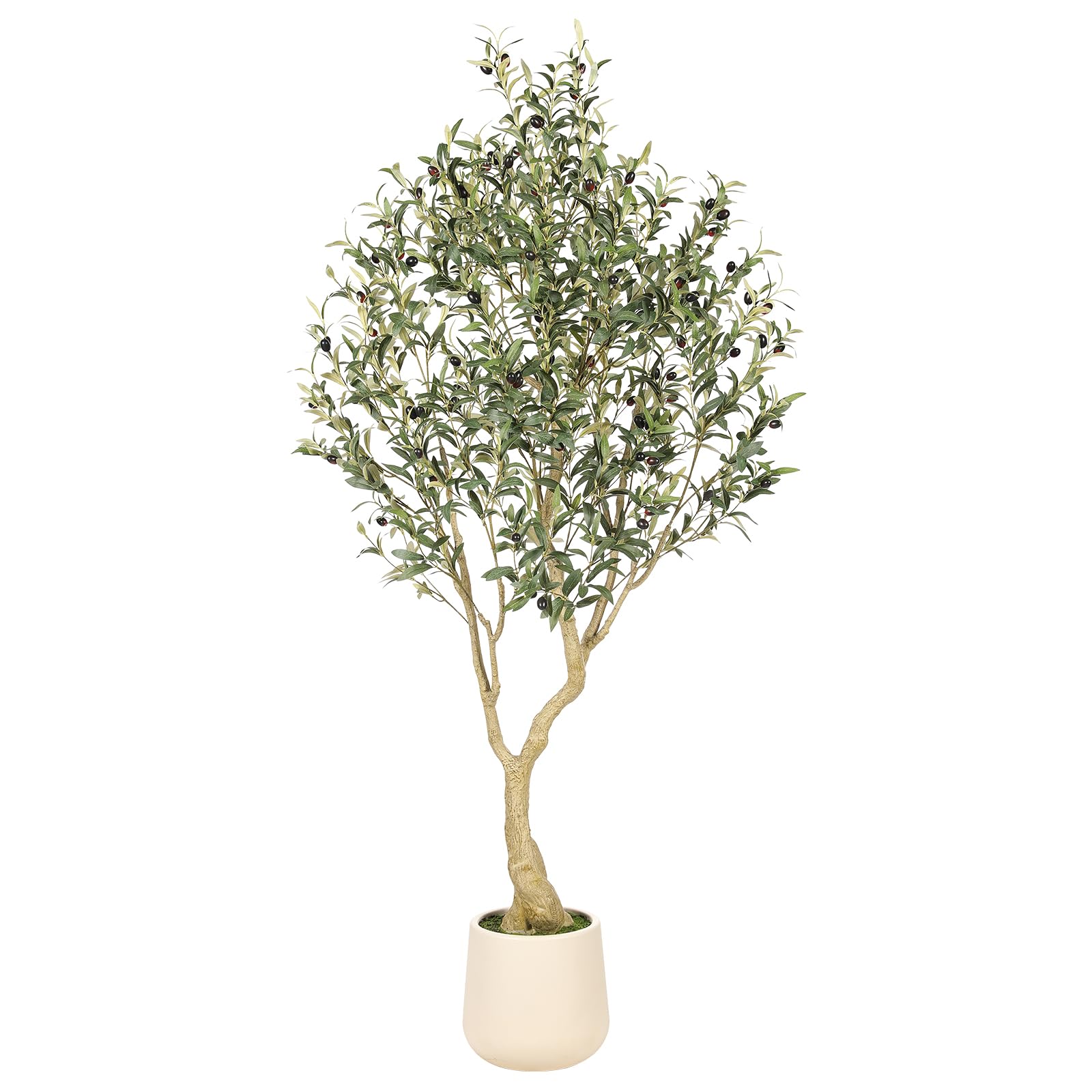
Selecting an artificial olive tree involves considering durability, realism, and maintenance needs to fit your space perfectly.
The Challenge of Picking a Realistic Faux Plant
Choosing between real plants and artificial ones can be daunting. While live plants offer natural beauty and air purification benefits, they require regular care such as watering, pruning, and sunlight exposure. Artificial alternatives like the Realead 6ft Olive Tree provide convenience with their low-maintenance nature but come at a cost of authenticity.
Common Mistakes When Buying an Artificial Plant
Many buyers overlook important factors when selecting artificial plants. Some assume that all fake trees look identical or require minimal upkeep, which isn’t always true. Others might choose based solely on aesthetics without considering the material quality and durability. It’s crucial to assess these aspects before making a purchase.
Real-World Experience with Artificial Olive Trees
In real-world settings, an artificial olive tree like Realead’s offers consistent visual appeal year-round without the hassle of plant care. The thick trunk and lifelike fruits add depth and realism to any room or office setting. However, it’s essential to understand that while these trees look impressive initially, they may not match the dynamic beauty of a living plant over time.
Where This Product Fits Best
Artificial olive trees are ideal for spaces where natural light is limited or maintenance-free decor is preferred. They work well in home offices, waiting rooms, and commercial settings due to their durability and ease of care. However, they may not be suitable if you’re looking for a plant that can improve air quality or provide the sensory experience of real foliage.
Who Should Avoid This Product
Individuals who prioritize sustainability over convenience might find artificial plants less appealing compared to live options. Those with allergies sensitive to synthetic materials should also consider alternatives since some fake trees may contain irritants.
Comparing Styles and Materials in Home Decor
When choosing between different types of home decor, it’s important to weigh the pros and cons. For instance, while silk flowers offer a similar low-maintenance option, they might not match the robust appearance of an artificial olive tree. Similarly, living plants provide natural benefits but require more attention.
Maintenance Considerations for Long-Term Use
To ensure your artificial olive tree remains attractive over time, regular dusting and occasional cleaning with mild soap are necessary to prevent yellowing or discoloration. Avoid placing it near direct sunlight as UV rays can degrade the material’s quality faster than intended.
Frequently Asked Questions
Q: Can I place this in a high traffic area? A: Yes, but be cautious of accidental bumps and spills that could damage the leaves.
Q: How long does an artificial olive tree last? A: With proper care, it can last several years without significant wear.
Q: Is there any risk of pests with fake plants? A: No, unlike real plants, they do not attract insects or other pests.
Final Thoughts
An artificial olive tree offers a practical solution for those seeking low-maintenance decor. While it excels in providing consistent aesthetics and ease of care, its limitations become apparent when compared to live alternatives that offer additional benefits such as air purification and sensory enjoyment. Carefully consider your needs before making a decision.